

Volume Loss & Skin Laxity.
Faces change over time; and not just at the surface
Changes in collagen and elastin, facial fat, bone structure and skin quality can gradually alter the support underneath the skin. Cheeks may appear flatter, temples can become more hollow, the jawline may soften and skin may begin to feel less firm.
We don't look at these changes as something that needs to be “fixed.” We look at what has changed, where it has changed and which layer of the face is actually responsible.
Because treating the wrong thing isn't going to give you the right result.
WHAT'S ACTUALLY HAPPENING?
Facial aging happens in layers.
Firmness + collagen remodelling
Radiofrequency, RF microneedling, thermal treatments and resurfacing technologies can be used to stimulate collagen and improve skin quality.
SKIN
Collagen and elastin provide strength, firmness and elasticity. As these structural proteins change with age, compounded by factors like UV exposure, skin can become thinner, less resilient and more prone to laxity.
FAT
Facial fat isn't distributed as one continuous layer. It exists in different compartments throughout the face, and those compartments can lose volume and shift over time.
As support changes, we may begin to notice flattening through the cheeks, hollowing around the temples or eyes, deeper folds and changes through the lower face.
BONE
Our facial skeleton changes too. Bone remodels throughout adulthood, which can gradually change the structural support beneath the soft tissues of the face.
The result?
What looks like “sagging skin” may actually be a combination of skin laxity, collagen loss, shifting or reduced facial volume and changes in the underlying structure.
VOLUME LOSS AND LAXITY AREN'T THE SAME THING.
This distinction matters
VOLUME LOSS is a loss of fullness or structural support. You might notice:
- Flattening through the cheeks
- Temple hollowing
- Under-eye hollowing
- Deepening folds
- Changes in facial contours
- Reduced definition through the chin or jawline
SKIN LAXITY refers to skin and tissue that has lost some of its firmness and elasticity. You might notice:
- A softer jawline
- Early jowling
- Looser skin through the lower face
- Changes through the neck
- Crepey or thinner-looking skin
- Reduced firmness
HOW WE APPROACH VOLUME LOSS + LAXITY.
We treat the layer responsible for the concern
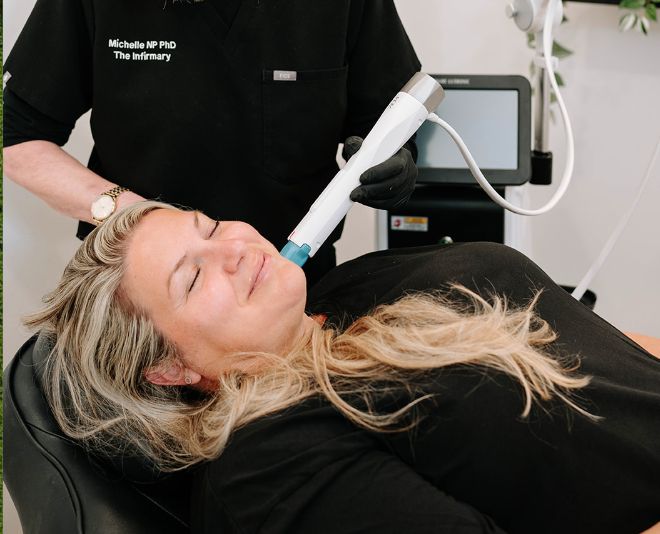
XERF
XERF uses radiofrequency energy to heat tissue at different depths, supporting collagen remodelling and improving firmness.
It may be incorporated when the primary concern is skin laxity, softening contours or reduced firmness rather than true volume loss.

GENIUS RF MICRONEEDLING
Genius combines microneedling with radiofrequency energy delivered below the skin's surface.
It can be used to support collagen and elastin remodelling while improving firmness, texture and overall skin quality.
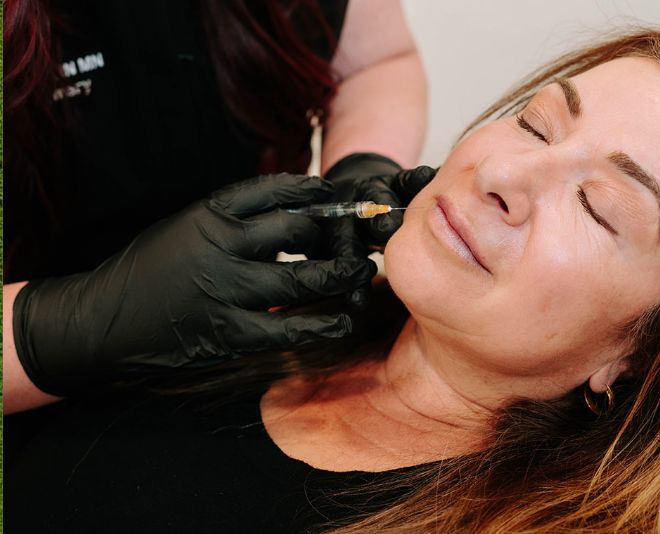
BIOSTIMULATORS
Injectables such as Sculptra and Radiesse can be used strategically to stimulate collagen and support gradual improvements in tissue quality and structure.
Unlike traditional dermal filler, the goal isn't necessarily to create immediate volume in one specific feature. Biostimulatory treatments can form part of a longer-term approach to supporting the face as it changes.
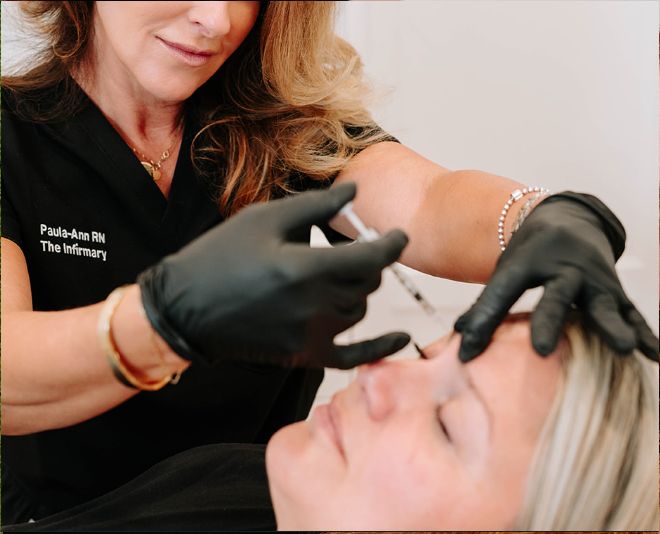
DERMAL FILLER
Sometimes what is missing really is volume. Hyaluronic acid dermal fillers can be used strategically to restore or enhance volume, support facial proportions and address selected areas of structural change.
The goal isn't to fill every hollow or erase every contour.
It's to use the right amount, in the right place, for the right reason.
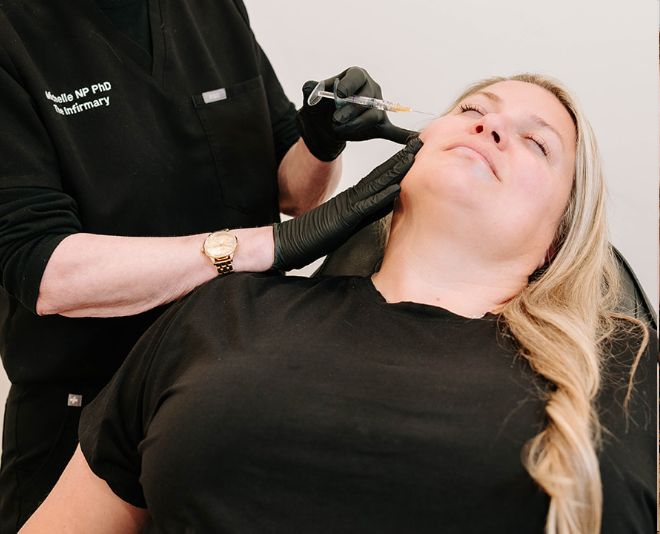
PRP + PRF
Platelet-rich plasma and platelet-rich fibrin use components derived from your own blood and may be incorporated into a treatment plan focused on skin quality and tissue rejuvenation.
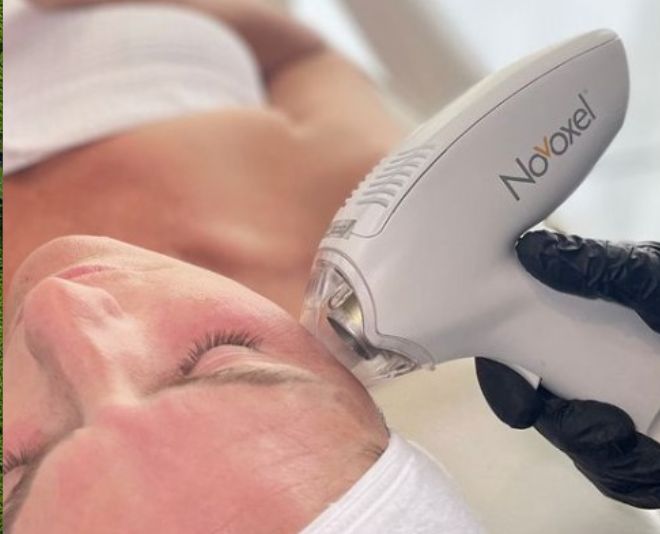
TIXEL + LASER RESURFACING
Tightening the deeper layers doesn't automatically correct pigmentation, fine lines or surface texture.
Treatments such as Tixel, LaseMD Ultra and eCO2 may be combined with treatments addressing deeper structural changes when improving the quality of the skin itself is also part of the goal.
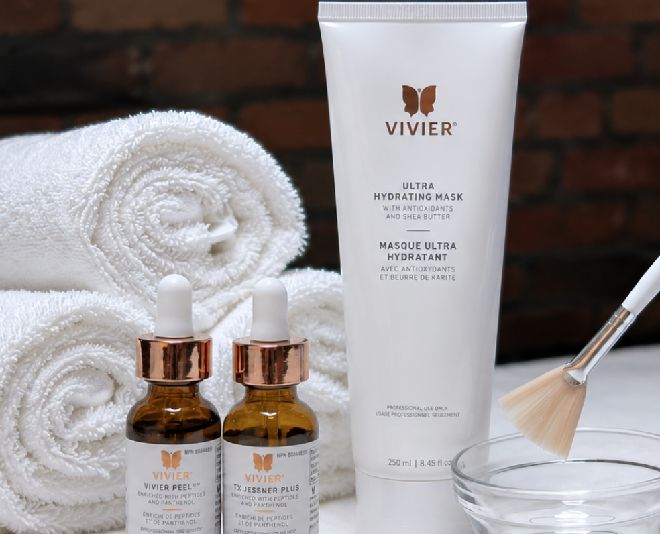
MEDICAL-GRADE SKINCARE
No skincare product is going to replace lost facial volume or produce the same degree of tightening as an energy-based procedure.
But protecting collagen from further UV damage and supporting skin health still matters. Daily sunscreen and appropriately selected active ingredients form an important part of maintaining the skin we're treating.
WHY COMBINATION TREATMENT MATTERS.
Getting to the Root Cause of Your Concerns
A face isn't one layer, so it doesn't always make sense to treat it with one modality.
Someone concerned about a changing jawline, for example, may have a combination of skin laxity, changes in facial volume and declining skin quality.
That doesn't automatically mean they need filler.
It means we need to determine why the jawline has changed first.
From there, a treatment plan might incorporate tightening with XERF, collagen stimulation with a biostimulator, strategic volume replacement with filler, resurfacing to improve skin quality, or a completely different combination.