

Acne.
Let's clear a few things up
Acne isn't just a teenage skin problem — and it isn't a sign that you aren't washing your face properly.
It is a complex skin condition that can show up as blackheads, whiteheads, inflamed breakouts or deeper, painful lesions. And while some people experience the occasional breakout, others deal with persistent acne well into adulthood.
The important part? Understanding what is happening in your skin before deciding how to treat it.
WHAT'S ACTUALLY HAPPENING?
Acne develops when hair follicles become clogged with excess sebum and dead skin cells. Bacteria and inflammation can also contribute, particularly as acne becomes more inflammatory.
Hormones, genetics, certain medications, skincare and other individual factors can influence how acne behaves; which is why two people with "acne" may need very different treatment plans.
NOT ALL ACNE LOOKS THE SAME.
Clogged Pores & Non-Inflammatory Breakouts
BLACKHEADS + WHITEHEADS
Known as comedonal acne, these develop when pores become clogged. An open comedone appears as a blackhead, while a closed comedone appears as a whitehead.
PAPULES + PUSTULES
These are the red, inflamed bumps most people picture when they think of a breakout. Pustules also contain visible fluid or pus.
NODULES + CYSTIC BREAKOUTS
These develop deeper within the skin and can be painful, persistent and more likely to leave scarring. Moderate-to-severe inflammatory or nodulocystic acne may require prescription treatment.
ADULT + HORMONAL PATTERNS
Acne doesn't necessarily disappear after adolescence. Adult acne can persist or appear later and may follow a hormonal pattern, often affecting areas such as the lower face, chin and jawline.
AND THEN THERE'S WHAT ACNE LEAVES BEHIND.
Getting the breakouts under control is only part of the conversation.
Acne can leave behind persistent redness, pigmentation and textural scarring long after the active breakout has resolved.
POST-INFLAMMATORY REDNESS
Red or pink marks can remain after an inflammatory breakout has healed.
POST-INFLAMMATORY HYPERPIGMENTATION
Inflammation can trigger excess pigment production, leaving darker marks where breakouts previously occurred.
ACNE SCARRING
Changes in collagen during the healing process can result in textural scarring. Once true scarring is present, controlling acne alone won't necessarily correct what has already been left behind.
HOW WE APPROACH ACNE.
First, we figure out what we're actually treating
Active acne? Oil and congestion? Hormonal breakouts?
Persistent redness? Pigmentation? Scarring?
Often, it's more than one.
Because The Infirmary is NP-led, your acne plan can extend beyond aesthetic treatments. When appropriate, we can incorporate prescription management, evidence-based skincare and in-clinic treatments into one comprehensive plan.
PRESCRIPTION ACNE TREATMENT.
Personalized Prescription Options
For some patients, skincare and procedures aren't enough.
Following an assessment, prescription treatment may be recommended based on the type and severity of your acne, your medical history and other individual factors.
This may include topical or oral medications used to target different contributors to acne, such as follicular congestion, inflammation, bacteria or hormonal influences.
When prescription treatment is indicated outside the care we provide, we'll recommend the appropriate next step or referral.
MEDICAL-GRADE SKINCARE.
What you use every day matters
A consistent home regimen may help address congestion, excess oil, inflammation, pigmentation and skin barrier health while supporting the results of your medical and in-clinic treatments.
ACTIVE ACNE FIRST. SCARRING SECOND.
Why We Clear Active Acne First
If you're continuing to develop significant inflammatory acne, our priority is getting the active disease appropriately managed before aggressively treating the scars it leaves behind.
That might involve prescription medication. It might involve skincare. It might involve in-clinic treatments. Often, it's a combination.
Once the acne is controlled, we can turn our attention to what it left behind.
Because resurfacing old acne scars while you're actively making new ones isn't much of a treatment plan.
IN-CLINIC TREATMENTS.
Depending on what we're treating and where you are in your acne journey, your plan may incorporate:
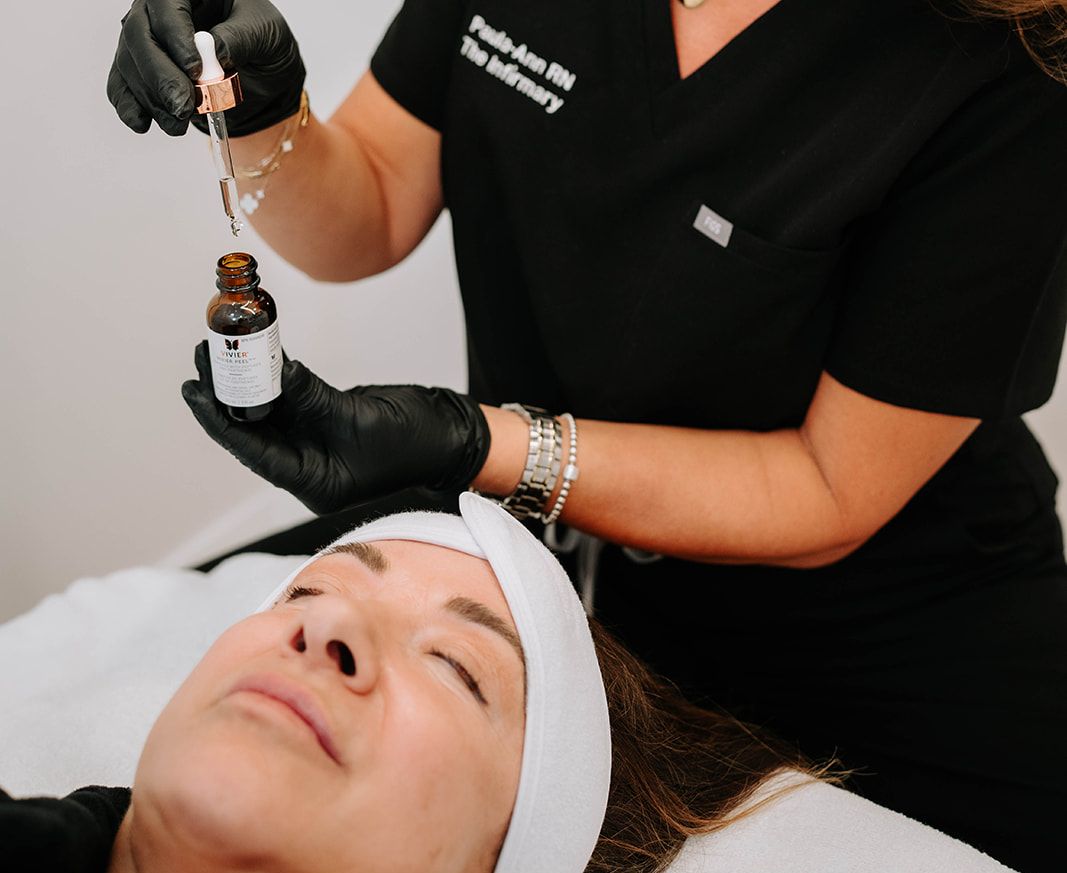
Chemical Peels
Professional exfoliation may help improve congestion, breakouts, post-acne pigmentation and overall skin texture.
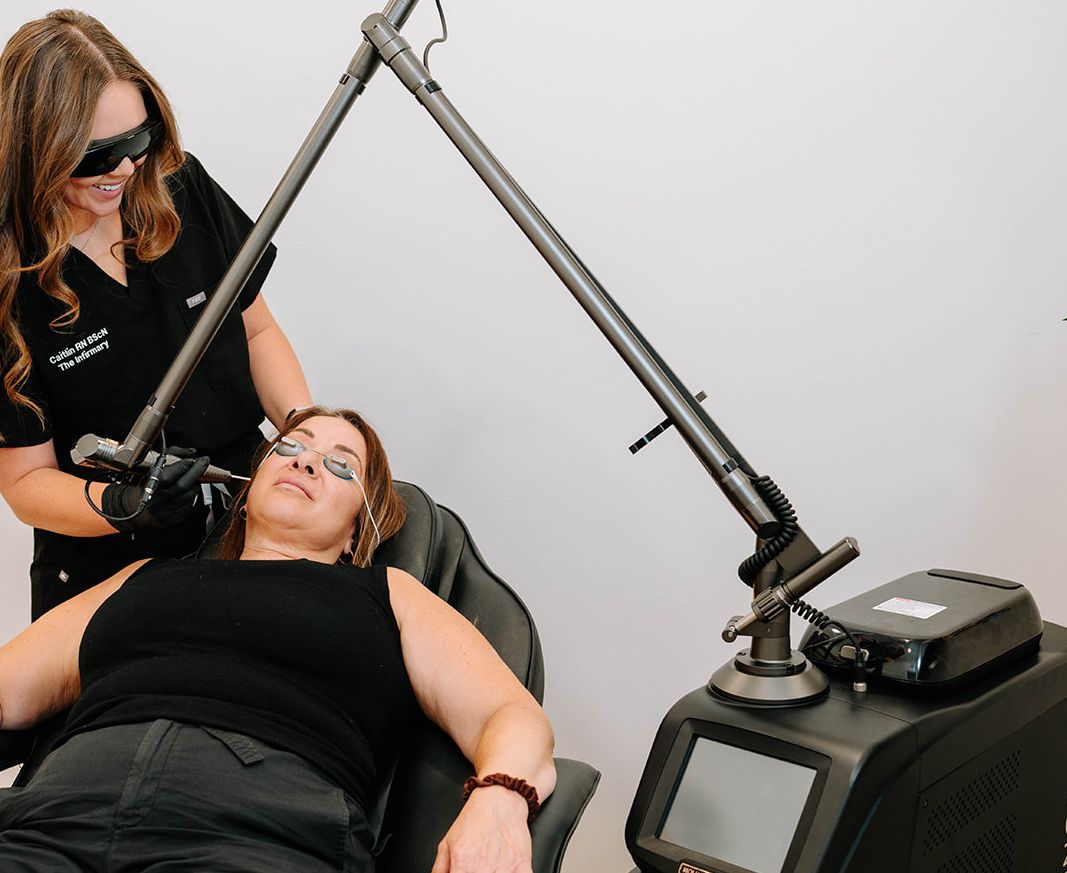
Hollywood Carbon Peel
A low-downtime option that may be incorporated for patients dealing with oiliness, congestion and acne-prone skin.
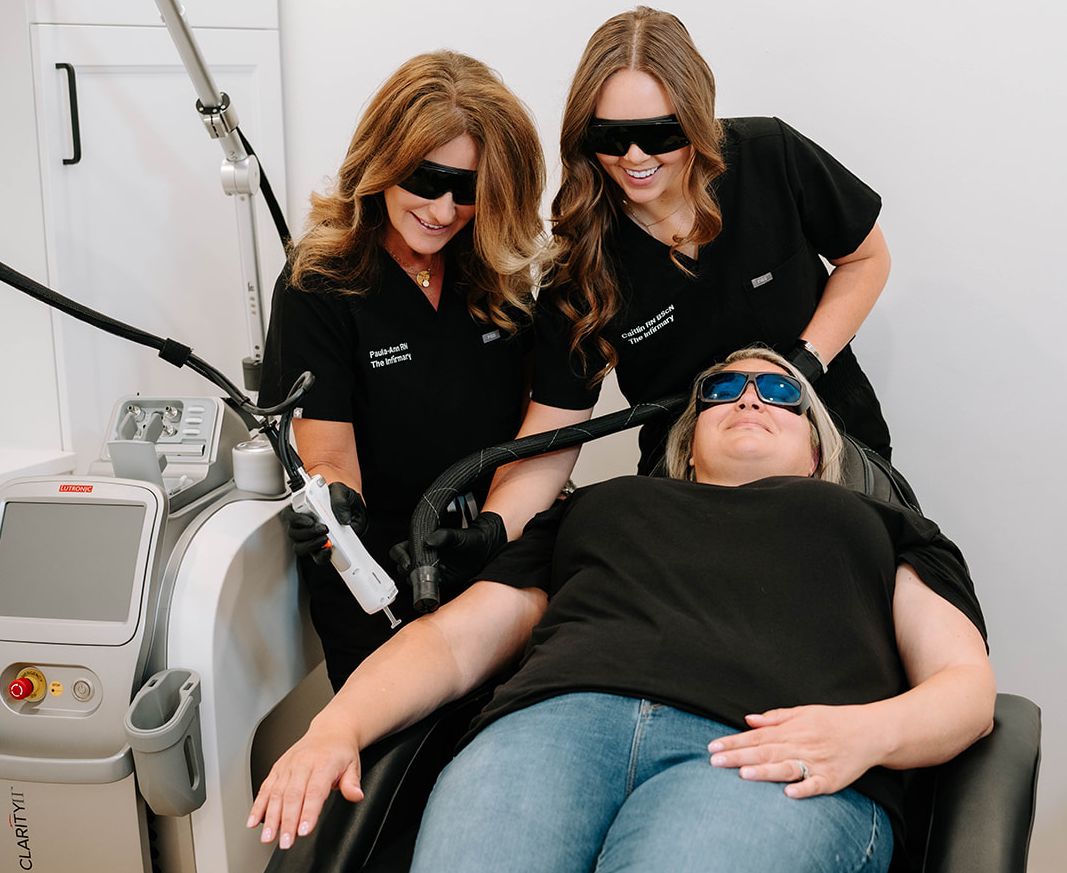
Clarity II + Hollywood Spectra
Laser treatments may be considered when persistent redness or pigmentation left behind by acne is part of the concern.
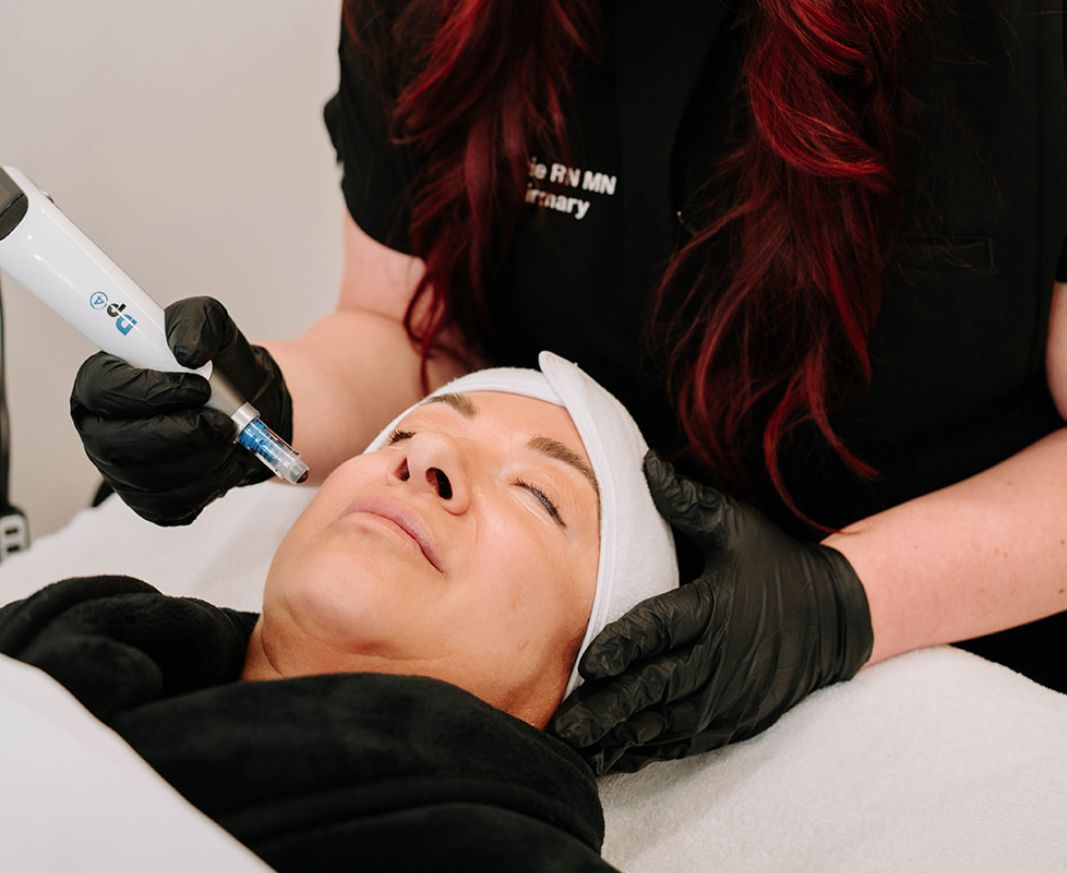
Microneedling + Genius RF Microneedling
Once active acne is appropriately controlled, collagen-stimulating treatments may be considered for certain types of textural acne scarring.
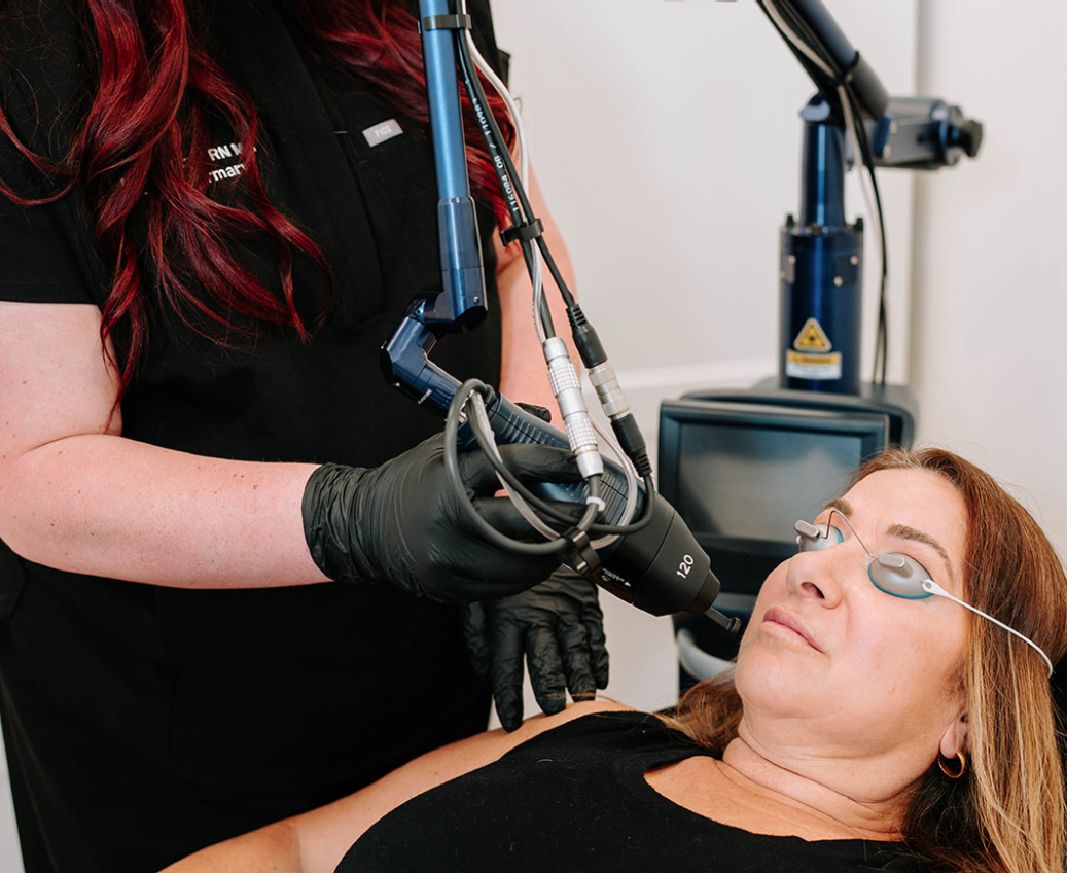
LaseMD Ultra + eCO2
Fractional resurfacing technologies may be incorporated when treating post-acne pigmentation, uneven texture or acne scarring, depending on your skin and the type and severity of the concern.
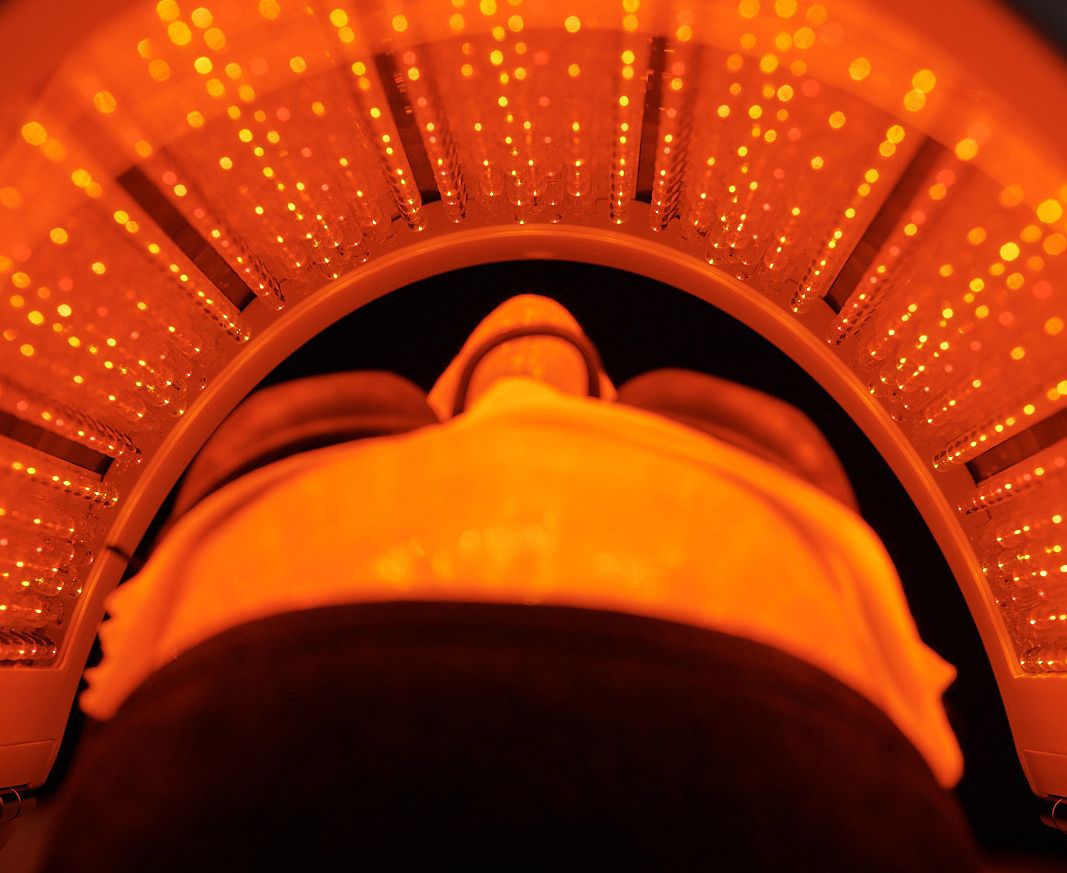
LED Light Therapy
Red or blue light may be incorporated alongside other therapies as part of an acne-focused treatment plan.