

Pigmentation & Melasma.
Not All Pigment Is Created Equal
Sun spots. Freckles. Post-inflammatory pigmentation. Melasma.
They may all look like unwanted pigment, but what caused them - and how we approach them - can be very different.
Before reaching for a laser, we want to know what the pigment is, where it sits in the skin and what may be driving it.
Because when it comes to pigment, more aggressive doesn't always mean more effective.
WHAT'S ACTUALLY HAPPENING?
Facial aging happens in layers
Melanin is the pigment responsible for much of the colour in our skin, hair and eyes. It is produced by specialized cells called melanocytes.
When melanin production increases or pigment becomes unevenly distributed, areas of the skin can appear darker than the surrounding tissue.
But why that happens matters.
UV exposure, visible light, inflammation, hormones, certain medications and injury to the skin can all influence pigmentation.
That's why treating pigmentation starts with identifying what we're actually looking at.
NOT ALL PIGMENT IS THE SAME.
Unmasking Your Discoloration
SUN DAMAGE + SOLAR LENTIGINES
Often called sun spots or age spots, solar lentigines are well-defined areas of pigmentation associated with cumulative UV exposure.
They're commonly seen on areas that have spent years exposed to the sun, including the face, chest and hands.
POST-INFLAMMATORY HYPERPIGMENTATION
Sometimes the pigment is a response to inflammation.
Acne, irritation, injury and some skin procedures can trigger increased melanin production, leaving darker marks after the original inflammation has resolved.
This can be particularly persistent in deeper skin tones.
FRECKLES
Freckles are small areas of increased pigmentation that often become more noticeable with sun exposure. Genetics also play an important role in who develops them.
MELASMA
Melasma is different. It is a chronic, relapsing pigmentary condition that typically causes symmetrical patches of brown or grey-brown pigmentation, commonly across the cheeks, forehead, upper lip and other areas of the face.
hormonal influences can contribute including pregnancy and hormonal medications, while UV exposure and visible light are important triggers.
And unlike an isolated sun spot, melasma isn't something we simply “remove.” It is something we have to manage.
HOW WE APPROACH PIGMENTATION.
identify the pigment. Then we decide what deserves treatment
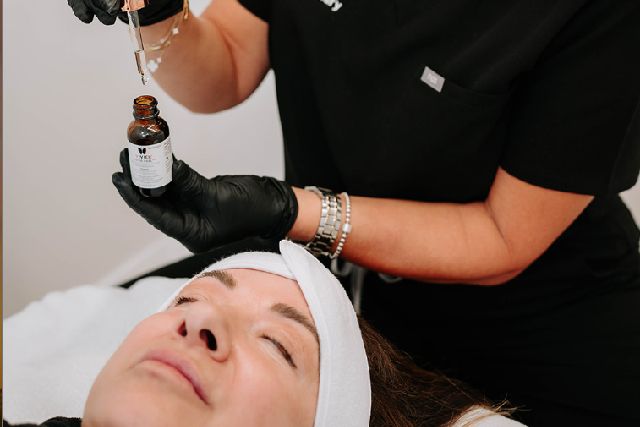
CHEMICAL PEELS
Professional chemical peels may be incorporated to support cellular turnover and improve superficial pigmentation and uneven tone.
The type and strength of peel matter, particularly in patients prone to post-inflammatory pigmentation.
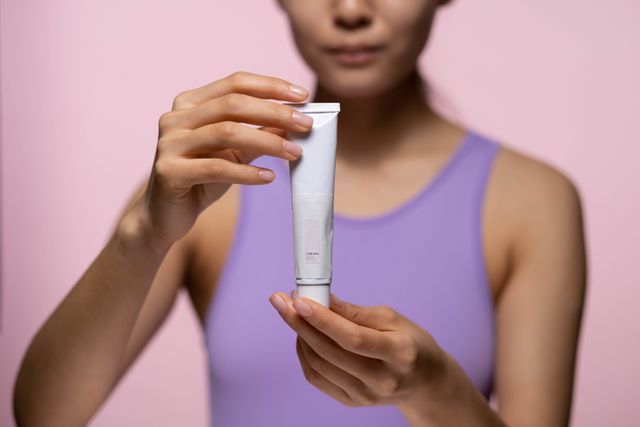
PRESCRIPTION MANAGEMENT
For patients with melasma or persistent hyperpigmentation, prescription topical therapy may be appropriate.
Following an assessment, our NP may incorporate prescription medications designed to reduce excess pigment production as part of a broader treatment plan.
Prescription therapy isn't appropriate for everyone, and the specific approach will depend on your skin, medical history and type of pigmentation.
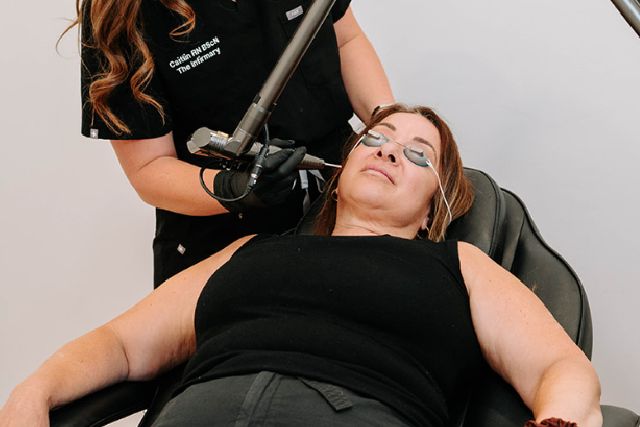
HOLLYWOOD SPECTRA
Hollywood Spectra allows us to use laser energy in different ways depending on the pigmentation we're treating.
It may be incorporated into treatment plans for concerns such as melasma and uneven pigmentation using appropriately selected settings and protocols.
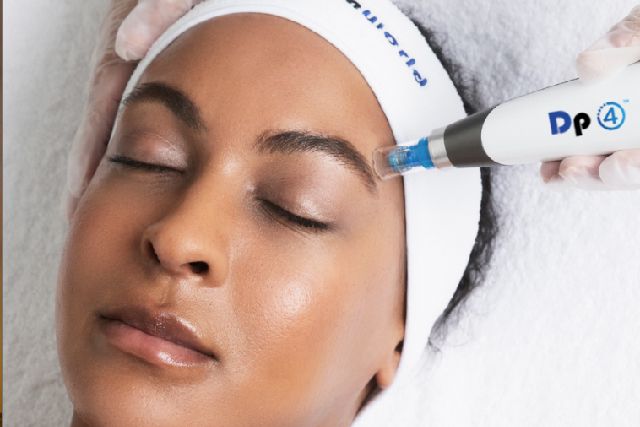
MICRONEEDLING
Microneedling may be incorporated into selected treatment plans to improve overall skin quality and can be paired with targeted topical treatments when appropriate.
It isn't automatically the right treatment for every type of pigmentation.
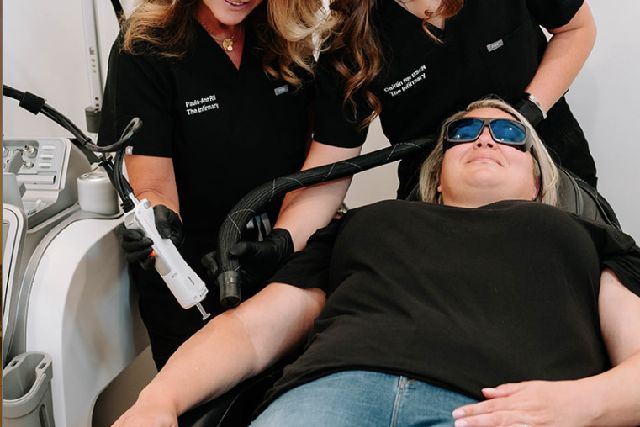
CLARITY II
Clarity II may be considered for selected superficial pigmented lesions and can also be useful when redness or vascular concerns exist alongside pigmentation.
The right wavelength and treatment parameters depend on the lesion and the patient's skin.

MEDICAL-GRADE SKINCARE
Pigmentation treatment starts at home.
Ingredients that influence pigment production, cellular turnover and skin health may be incorporated into your regimen depending on your skin and treatment goals.
And sunscreen isn't optional here.
Consistent broad-spectrum sun protection is one of the most important parts of managing pigmentation and maintaining treatment results.
For melasma in particular, we may also discuss protection from visible light and other individual triggers.
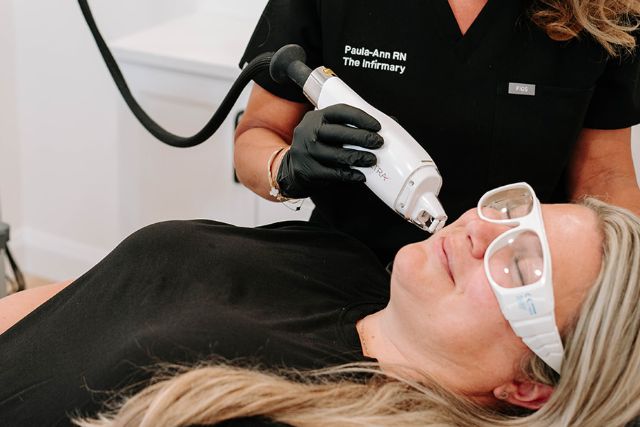
LASEMD ULTRA
It can be used to improve uneven pigmentation, sun damage and overall skin quality while supporting skin renewal.
WHY MELASMA NEEDS A DIFFERENT APPROACH.
Melasma can be stubborn
It can improve significantly and then recur with sun exposure, heat, hormonal changes or other triggers. Treatments that create excessive inflammation can also potentially make pigmentation worse.
That's why our approach tends to be controlled, conservative and consistent.
The goal isn't to attack the pigment as aggressively as possible.
It's to suppress excess pigment production, gradually improve existing pigmentation, minimize triggers and maintain the results we achieve.
SOMETIMES, THE BEST TREATMENT IS RESTRAINT.
More Isn't Always Better
This is particularly true with melasma.
More laser. More heat. More exfoliation. More treatments.
None of those automatically equal better results.
If your skin is inflamed, your barrier is compromised or the treatment itself risks stimulating additional pigment, doing less may actually be the smarter choice.
Our job isn't to use every device we have.
It's to choose the ones that make sense for your skin.