

Visible Veins, Redness & Rosacea.
Decoding Your Skin's Signal
Redness can mean a lot of things.
For some people, it's a flush that comes and goes. For others, it's persistent redness across the cheeks and nose, tiny visible blood vessels that never seem to disappear, or rosacea accompanied by bumps, sensitivity, burning or stinging.
They can look similar in the mirror, but they aren't necessarily the same concern.
And before we treat the red, we want to understand what's causing it.
WHAT'S ACTUALLY HAPPENING?
Reading the Signals Beneath the Surface
The colour we see at the surface of the skin can be influenced by blood flow, dilated superficial vessels and inflammation.
Sometimes vessels close to the skin's surface become enlarged enough to remain visible. Sometimes increased blood flow creates temporary flushing. And in conditions such as rosacea, vascular changes can exist alongside inflammation and heightened skin sensitivity.
That distinction matters because the treatment that helps a visible vessel isn't necessarily the treatment that manages inflammatory rosacea.
REDNESS HAS A FEW DIFFERENT FACES.
The Spectrum of Skin Reactivity
FLUSHING
Flushing is temporary. The skin may suddenly become red, warm or uncomfortable and then gradually return to its usual colour. Some people can identify clear triggers, while others seem to flush with very little warning.
Heat, sun exposure, exercise, temperature changes, spicy foods, alcohol, stress and certain skincare products are among the factors that may trigger flushing in people with rosacea.
PERSISTENT REDNESS
When redness doesn't completely disappear between episodes of flushing, we're dealing with something different.
Persistent facial redness — or erythema — commonly affects the central face and may become more noticeable during a flare.
Redness can also present differently across skin tones. In deeper skin tones, inflammation may appear more brown or purple and symptoms such as warmth, burning or stinging may be particularly important clues.
VISIBLE VESSELS
Those tiny red or purple lines around the nose, cheeks or chin have a name: telangiectasias.
They are small, dilated blood vessels visible near the surface of the skin.
Once a vessel remains visibly dilated, skincare alone generally isn't going to make it disappear. This is where appropriately selected vascular laser treatments can become particularly useful.
ROSACEA
Rosacea is more than simply having red skin.
It's a chronic inflammatory skin condition that can present differently from one person to another.
You may experience persistent facial redness, flushing, visible vessels, inflammatory bumps or pustules, burning, stinging or sensitivity, and not every patient will experience all of them.
HOW WE APPROACH REDNESS + ROSACEA.
Visible vessels, persistent redness and inflammatory rosacea may exist together, but each can require a different approach
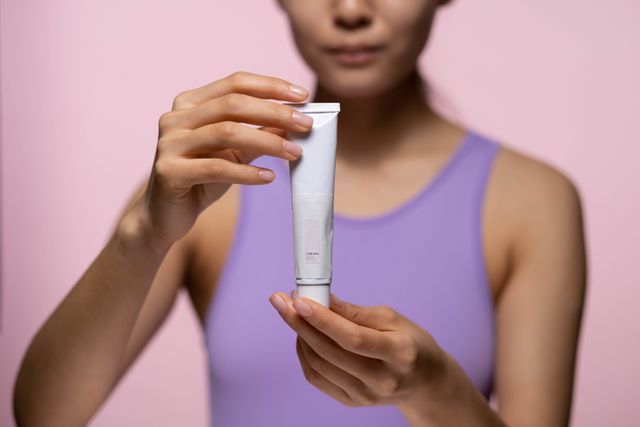
PRESCRIPTION MANAGEMENT
Rosacea treatment may extend beyond devices and skincare. Following assessment, prescription topical or oral medications may help manage inflammation, bumps, pustules and persistent redness, depending on your symptoms, severity and medical history.
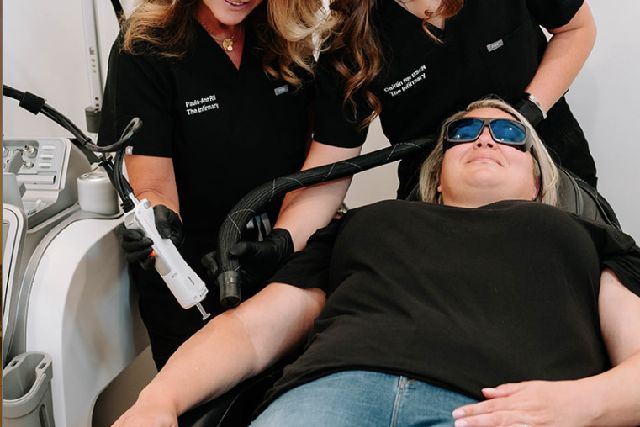
CLARITY II
Clarity II allows us to target vascular concerns using laser energy that is selectively absorbed by blood within the vessel.
Not every red face needs a vascular laser, but when the vessel itself is the problem, treating the vessel makes sense.
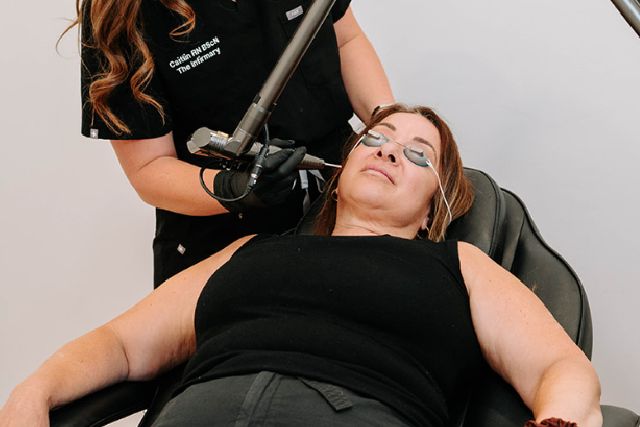
HOLLYWOOD SPECTRA
Hollywood Spectra may be incorporated into selected treatment plans when we're addressing overall tone and redness alongside other skin concerns.
Your clinician will determine whether it has a role based on what is actually contributing to the colour you're seeing.
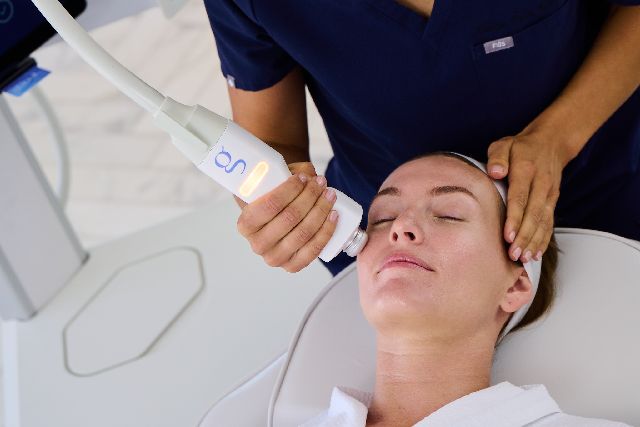
GLACIAL RX
Glacial Rx uses controlled cooling to help calm redness, inflammation and reactive skin. It can be used alone or alongside other treatments, depending on your skin’s needs.
MEDICAL-GRADE SKINCARE
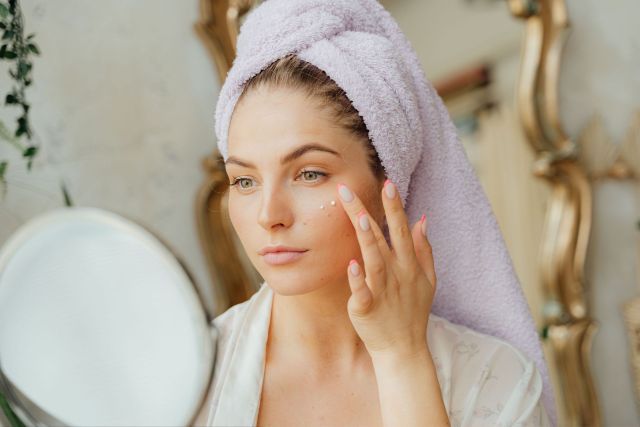
With rosacea-prone skin, less can be more. We may simplify your routine to focus on gentle cleansing, hydration, barrier support and daily sunscreen before introducing additional active ingredients. Sometimes, what you remove matters just as much as what you add.
LED LIGHT THERAPY
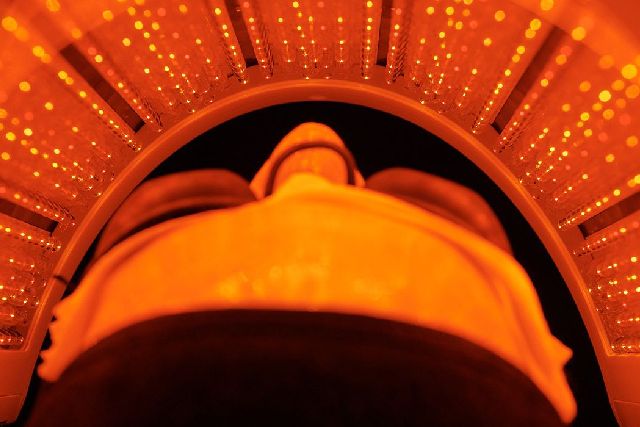
Red LED light may be incorporated as a supportive treatment when calming the skin and supporting recovery are part of the plan.
It isn't a replacement for appropriate medical treatment of rosacea or targeted treatment of visible vessels.
LASER CAN TREAT THE VESSELS. IT DOESN'T CURE ROSACEA.
Management Over Miracles
This is an important distinction.
Vascular laser treatments can significantly improve visible vessels and may reduce persistent redness, but rosacea is a chronic condition.
New vessels can develop. Redness can recur. Triggers can still trigger.
That's why the best plan may involve a combination of medical management, appropriate skincare, trigger awareness and carefully selected in-clinic treatments.
We're managing the condition, not pretending one laser appointment made it disappear forever.